Reshaping the Immune Balance - Breakthroughs of CAR-T and Mesenchymal Stem Cell Therapies in Autoimmune Disease
CAR-T cell therapy is a revolutionary immunotherapy. Through genetic engineering, the patient's own T cells are modified to enable them to express a chimeric antigen receptor (CAR) that can specifically recognize and attack diseased cells. In autoimmune diseases, CAR-T cells can be designed to target autoreactive B cells or other aberrant immune cells, thereby reducing the production of autoantibodies. For example, in diseases such as systemic lupus erythematosus (SLE) and rheumatoid arthritis (RA), CAR-T cells can effectively eliminate B cells and plasma cells that produce autoantibodies, thus helping restore the balance of the immune system.
Stem cell therapy, especially mesenchymal stem cells (MSCs), has become an important approach for treating autoimmune diseases due to their powerful immunomodulatory and regenerative abilities. MSCs can inhibit excessive immune responses through various mechanisms, such as secreting anti-inflammatory factors, suppressing T cell proliferation, and regulating B cell functions. In addition, MSCs can differentiate into different cell types that could repair damaged tissues. For examples, in multiple sclerosis (MS) and Crohn's disease (CD), stem cell therapy has demonstrated significant clinical efficacy, with potential to alleviate symptoms and improve the quality of life.
These two treatment strategies each with its own advantages. The CAR-T cell therapy exhibits a strong target specificity, whereas the MSC therapy has a broad immunomodulatory effect, and together, these novel treatments play an important role in targeting autoimmune diseases.
A series of CAR-T tools, including 4SCAR19, 4SCAR-BCMA, 4SCAR138, and 4SCAR-BAFF-R, etc. have been developed by GIMI. These CAR-Ts can target factors related to B lymphocytes and plasma cells, eliminate antibody-producing cells, and reset the B-cell system. These CAR-T cells are excellent solutions for treating antibody-related autoimmune diseases. The GIMI has skillfully implemented innovative strategies to maximize the synergistic effects of CAR-Ts and MSCs, exploring MSCs to assist CAR-T therapy potential, and has proposed an innovative sequential treatment regimen which can be found in www.clinicaltrials.gov registratry (NCT06435897).
In the past few years, GIMI has accumulated experiences in many clinical cases based on CAR-T and MSC therapies treating different autoimmune diseases.
Some examples of this study are presented below.
Case 1:
A 60-year-old woman who has been diagnosed with systemic scleroderma and Raynaud's syndrome. Her clinical manifestations include dry, tight, and painful skin conditions, ulcers on the fingers, stiffness of the limbs, and extremely sensitive to cold and heat stimuli. Over the past years, despite repeated treatment with immunosuppressants, high number of CD19+ B cells remained in her body. After a comprehensive evaluation, she decided to be enrolled in the 4sCAR-T therapy targeting CD19 and BCMA. After treatment for one year, the follow-up showed that the 4sCAR-T cells persisted in her body (Figure 1). The clinical symptoms were alleviated with less pain and improved skin condition, and no new ulcers appeared on the fingers.
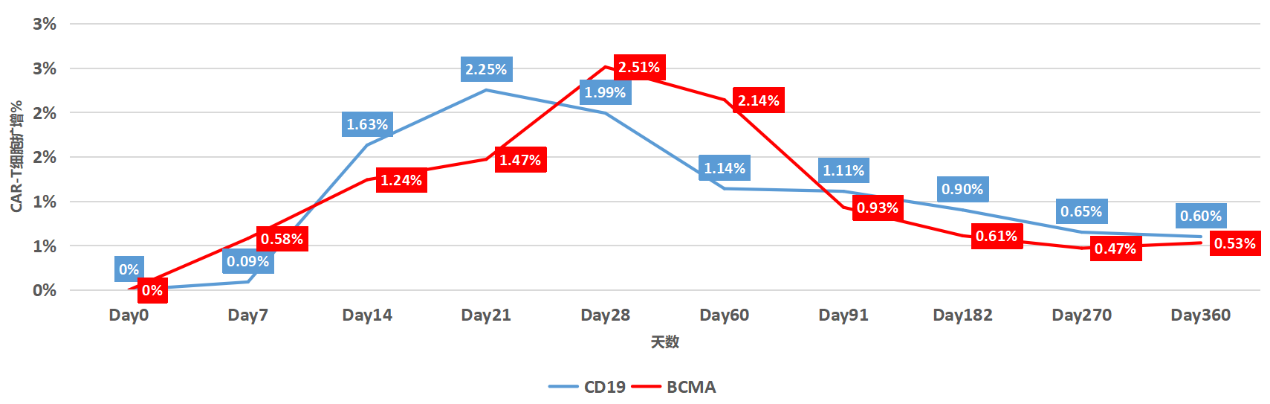
Figure 1. 4sCAR-T cell expansion kinetics in the body for
more than a year
Case 2:
A 31-year-old woman who has been diagnosed with systemic scleroderma, Raynaud's syndrome, interstitial lung disease, esophagitis, and esophageal dilatation. The patient has symptoms of joint pain and skin edema, and the ANF (antinuclear factor) antinuclear antibody test was positive. During her illness, glucocorticoids and immunosuppressants were used for treatment several times. However, the improvement on the disease condition was not satisfactory. After a comprehensive evaluation, she decided to adopt the dual target 4sCAR-T therapy targeting both CD19 and BCMA. Continuous follow-up after the treatment revealed that the CAR-T cells appeared effective in targeting the disease. The ANF antinuclear antibody decreased to one-tenth of the original level, the percentage of CD19+ B cells returned to the normal range, with symptoms improved significantly, the ulcers on the fingers disappeared, the dry rashes on the body subsided, and the symptom of extreme sensitivity to coldness was also eliminated (Figures 2 and 3).
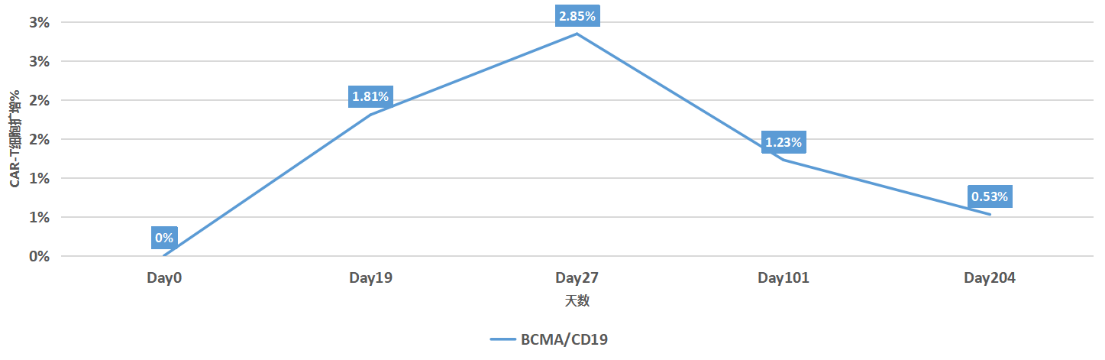
Figure 2. 4sCAR-BCMA/CD19 kinetics for over 200 days
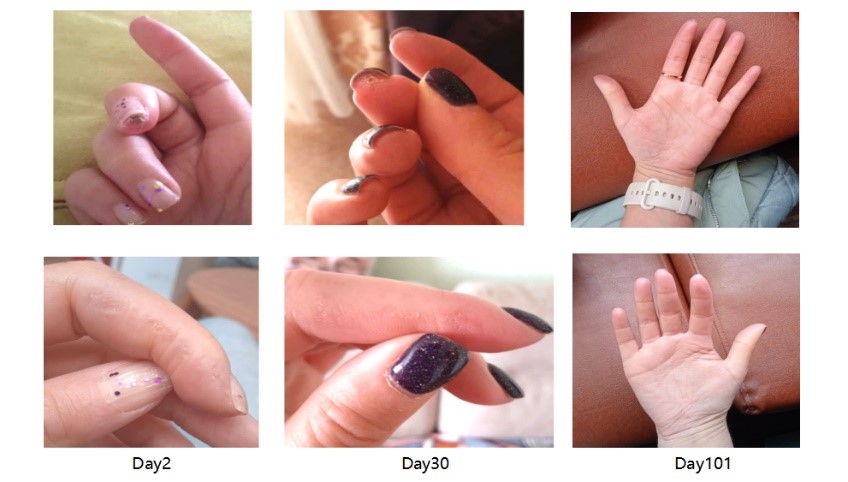
Figure 3. The ulcers on the fingers disappeared
Case 3:
A 27-year-old man who was diagnosed with systemic lupus erythematosus. The tests for SM antibody, SSA antibody, β2-glycoprotein antibody, and anti-DNA antibody were all positive. The patient's clinical manifestations included joint swelling and pain, fatigue, hand pain, and intolerance to coldness. After getting sick, he received treatments including steroids and immunosuppressants several times, but the results did not meet his expectations. He chose to be enrolled to adopt the 4sCAR19 therapy targeting CD19 for treatment. During the follow-up, it was found that his leg pain symptoms were mostly relieved, the joint swelling and pain as well as fatigue all disappeared, and the symptoms of finger pain and intolerance to coldness also vanished. The percentage of CD19+ B cells returned to the normal range, and autoantibodies such as anti-SM antibody, β2-glycoprotein antibody, and anti-DNA antibody all turned negative.
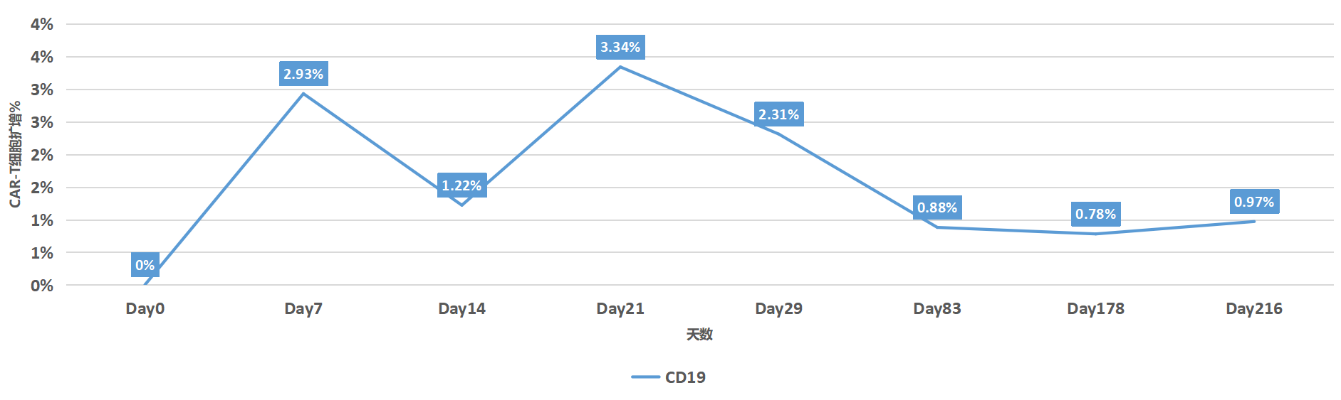
Figure
4. 4sCAR19 in vivo kinetics for
over 200 days
Case 4:
A 45-year-old woman who was diagnosed with Sjögren's syndrome. The test results showed that U1 RNP antibody and centromere antibody are positive. The patient's clinical manifestations included joint pain, weakness accompanied by tingling sensations in the hands and feet, the appearance of skin patches, sensitivity to cold and heat stimuli, menstrual cycle disorders, and the presence of acid reflux. These symptoms have severely affected the patient's daily life. After a comprehensive evaluation, she decided to be enrolled in the MSC study to treat her condition. After the MSC infusion at 3-month follow-up, she found that the symptoms have significantly relieved and the levels of U1 RNP antibody and centromere antibody have both decreased. She stopped taking anti-reflux medications. In addition, the pain in the body has reduced, and her quality of life has greatly improved.
Summary
These cases not only demonstrate the great potential of 4sCAR-T and MSC therapies in autoimmune diseases but also provide a new direction for future clinical applications. With continuous research development and technology advances, these novel therapies are expected to bring more hope to patients with autoimmune diseases, which may help them regain health with improved quality of life.
 TEL:010-82346080
About Us
Company ProfileNCI Project
Blood CancerService
Immune technology portfolioCase Study
Blood Cancer Research Wechat